
What Is a Conversion Funnel?
A conversion funnel is the sequence of steps a visitor takes before completing a desired action on your site. That action might be a purchase, a signup, or a demo request. The “funnel” shape comes from the reality that fewer people complete each successive step.
I’ve worked with conversion funnels across e-commerce, SaaS, and lead generation sites for over a decade. The concept stays the same everywhere. You start with many visitors at the top and end with a fraction converting at the bottom.
Most funnels follow a variation of these stages:
- → Awareness: The visitor discovers your site through search, ads, or referrals
- → Interest: They browse content, view products, or explore features
- → Consideration: They compare options, read reviews, or add items to a cart
- → Action: They complete the purchase, submit the form, or sign up
The gap between each stage is where you lose people. Understanding why they leave — and where — is what funnel optimization is all about. According to Invesp’s research on funnel analysis, even small improvements at high-drop-off stages can dramatically increase your bottom line.

How Funnel Analysis Works in Practice
Funnel analysis means measuring the conversion rate between each step — then investigating the steps where the biggest losses occur. It sounds straightforward, but most teams skip the investigation part and jump straight to solutions.
Here’s what a real funnel analysis looks like. You define the steps, pull the data, calculate the step-by-step conversion rates, and then focus your energy on the biggest percentage drops. I’ve implemented this process for multiple clients, and the pattern is always the same: one or two stages account for most of the lost revenue.
For example, an e-commerce funnel might look like this:
- → Product page views: 10,000 visitors
- → Add to cart: 1,200 visitors (12% conversion)
- → Begin checkout: 480 visitors (40% of add-to-cart)
- → Purchase complete: 240 visitors (50% of checkout)
The biggest drop here is from product page to add-to-cart. That’s where you investigate first. Tools like Google Analytics provide built-in funnel exploration reports. Amplitude’s funnel analysis capabilities let you segment users at each step and compare behavior across different cohorts.
The key is to look beyond the aggregate numbers. Segment by device type, traffic source, and user type (new vs. returning). A funnel that looks healthy overall might be broken for mobile users or for visitors coming from a specific ad campaign.
Why Visitors Drop Off (The Real Reasons)
After analyzing hundreds of funnels, I can tell you the reasons visitors leave are rarely what teams expect. It’s almost never about the color of your buttons. The real causes run deeper.
Mismatched expectations. The visitor clicked an ad promising one thing and landed on a page delivering something else. This is the single biggest source of top-of-funnel drop-offs I encounter. Your ad copy and landing page need to tell the same story.
Too much friction. Every additional form field, every extra click, every required account creation adds friction. I worked with a SaaS client whose signup form had 11 fields. We cut it to 4 and saw a 68% increase in completions. That’s not unusual.
Lack of trust signals. Visitors who don’t recognize your brand need reassurance. Missing SSL indicators, no visible reviews, and unclear return policies all trigger abandonment. This hits hardest at the consideration and checkout stages.
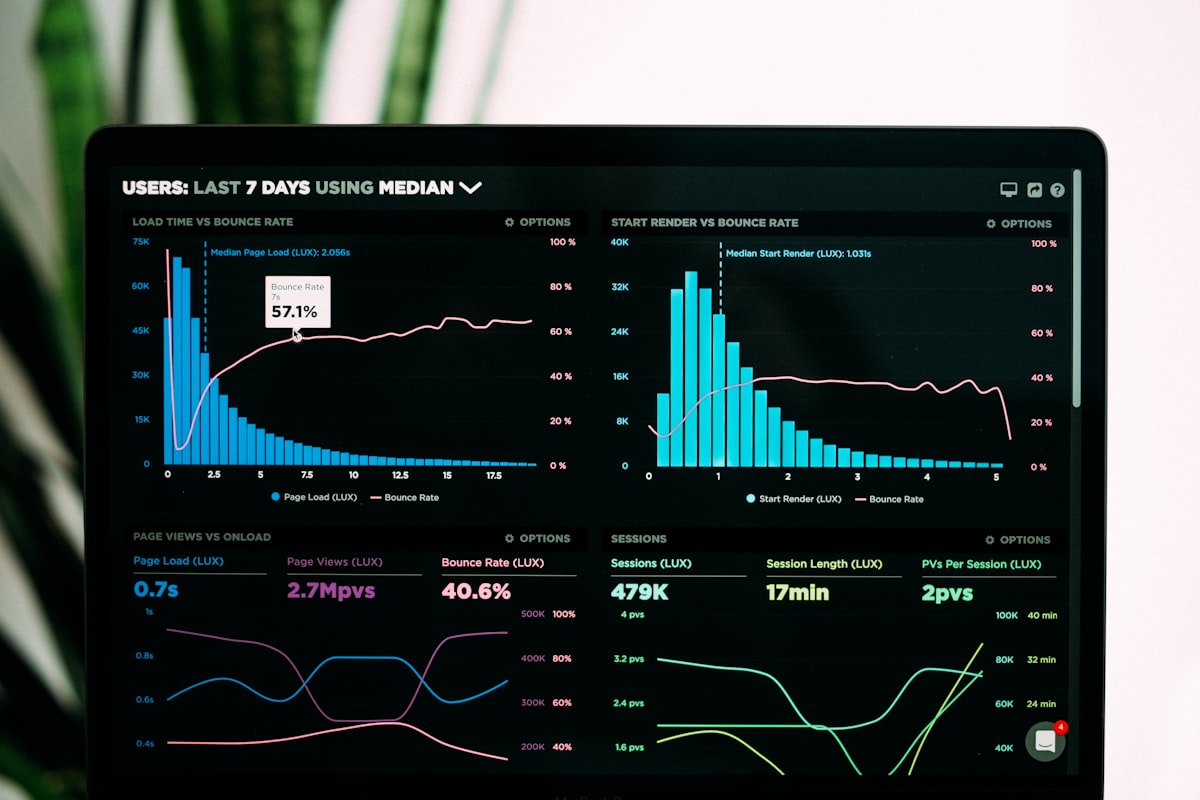
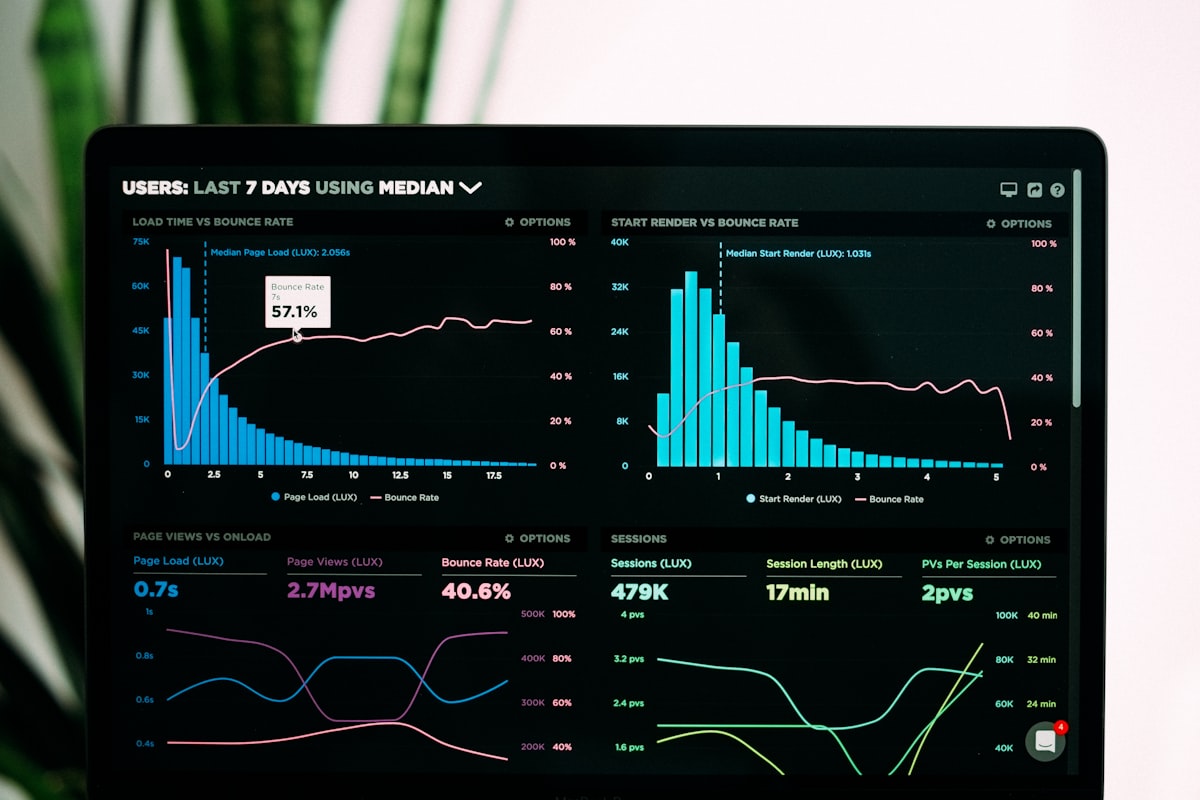
Page performance issues. Slow load times kill conversions. Google’s Core Web Vitals documentation makes it clear that pages loading beyond 2.5 seconds see significantly higher bounce rates. I’ve seen a 1-second improvement in load time produce a 7% lift in conversion rate.
Confusing navigation. If visitors can’t find the next step, they leave. This sounds obvious, but it happens constantly. Buried CTAs, unclear pricing pages, and checkout flows that require visitors to create accounts before seeing shipping costs — all common mistakes.
Finding Drop-Off Points: Step by Step
Here’s the process I use with every client engagement. It works whether you’re running an e-commerce store, a SaaS product, or a lead generation site.
- 1 Define your funnel steps clearly. Write down every action a user must take to convert. Be specific — “visits pricing page” is better than “considers purchasing.” Each step must be measurable through an analytics event or pageview.
- 2 Build the funnel in your analytics tool. Whether you use Google Analytics 4, Piwik PRO’s funnel reports, or another platform, configure the funnel with your defined steps. Make sure your event tracking is firing correctly before you trust the data.
- 3 Collect at least two weeks of data. You need enough volume to identify meaningful patterns. A few hundred sessions per funnel step is the minimum for reliable analysis. For lower-traffic sites, wait longer.
- 4 Calculate step-to-step conversion rates. For each transition, divide the number of users who reached the next step by those who completed the current step. The step with the lowest conversion rate is your primary target.
- 5 Segment the data. Break the funnel down by device, traffic source, user type, and geography. The overall funnel may convert at 3%, but mobile visitors from paid ads might convert at 0.5%. That’s where you need to dig in.
- 6 Use session recordings and heatmaps to diagnose. Numbers tell you where people drop off. Recordings and heatmaps show you why. Watch 20-30 sessions of users who abandoned at your worst-performing step. Look for rage clicks, scroll stops, and hesitation patterns.
This process consistently reveals the two or three changes that will make the biggest impact. Don’t try to fix everything at once. Prioritize by potential revenue impact and implementation effort.
Fixing Common Funnel Leaks
Once you’ve identified where visitors are leaving, here’s how to fix the most common leaks I see across different funnel stages.
Top of Funnel: High Bounce Rates
If visitors leave immediately after landing, the problem is usually relevance. Your page content doesn’t match what brought them there.
- ✓ Align landing page headlines with ad copy or search intent
- ✓ Place your value proposition above the fold
- ✓ Ensure page loads in under 2 seconds
- ✓ Remove or reduce pop-ups and interstitials that block content
Mid Funnel: Low Engagement
Visitors who browse but don’t take the next step need better guidance. They’re interested but not convinced.
- ✓ Add social proof (reviews, testimonials, case studies) near decision points
- ✓ Make CTAs specific and benefit-driven instead of generic “Learn More” text
- ✓ Simplify comparison and pricing pages — remove information overload
- ✓ Use exit-intent triggers with targeted offers for high-value pages
Bottom of Funnel: Cart and Form Abandonment
This is where the money is. Visitors who reach checkout or your final form are already convinced. Something in the process is pushing them away.
- ✓ Offer guest checkout — forced account creation kills conversions
- ✓ Show total cost (including shipping and tax) early in the process
- ✓ Reduce form fields to the absolute minimum needed
- ✓ Display trust badges, security seals, and clear return policies
- ✓ Add a progress indicator so users know how many steps remain
For e-commerce specifically, Contentsquare’s funnel analysis platform can visualize exactly where users hesitate within a single page, giving you granular insight beyond step-level data.

Measuring Funnel Performance
You need the right metrics to know if your optimization work is paying off. Here are the metrics I track for every funnel project.
- → Overall conversion rate: End-to-end percentage of visitors who complete the goal. This is your headline number, but don’t optimize for it in isolation.
- → Step-to-step conversion rate: The percentage progressing from each step to the next. This tells you exactly where the leaks are.
- → Time to convert: How long users take to move through the funnel. Unexpectedly long times at certain steps indicate confusion or friction.
- → Funnel re-entry rate: How often users leave and come back. High re-entry might mean your funnel requires information users don’t have on first visit.
- → Revenue per visitor: Divide total revenue by total visitors at each funnel stage. This connects funnel performance directly to business outcomes.
Set up weekly funnel reports and create alerts when any step-to-step conversion rate drops more than 10% from its rolling average. Early detection prevents small issues from becoming revenue problems. Most analytics platforms including GA4 support custom alert configurations for exactly this purpose.
Track these metrics over time, not just as snapshots. Funnel performance fluctuates with seasonality, marketing campaigns, and product changes. A 4-week moving average gives you a clearer picture than any single week’s data.
Common Mistakes in Funnel Optimization
I’ve seen teams waste months of effort by making these mistakes. Avoid them and you’ll get results faster.
Optimizing the wrong step. Teams often start with the step that’s easiest to change rather than the one with the biggest drop-off. Always prioritize by impact. A 5% improvement at a step where you lose 70% of visitors matters far more than a 20% improvement at a step where you lose 10%.
Testing without enough traffic. Running A/B tests with 200 visitors per variation and declaring a winner after three days is not testing — it’s guessing. Use a sample size calculator before launching any test, and commit to running it until you reach statistical significance.
Ignoring mobile separately. Your desktop funnel and mobile funnel are different experiences. Always segment by device. I’ve seen funnels where desktop converted at 4.2% while mobile was stuck at 0.8% — and the team only looked at the blended 2.1% rate, thinking things were fine.
Making too many changes at once. If you redesign the landing page, change the form, and update the checkout flow simultaneously, you won’t know what worked. Change one step at a time and measure the impact before moving on.
Forgetting about post-conversion. The funnel doesn’t end at conversion. Confirmation pages, onboarding flows, and follow-up emails affect customer lifetime value and repeat purchase rates. A leaky post-conversion experience erodes the value you worked so hard to capture.
Treating the funnel as static. Your funnel should evolve. User behavior changes, competitors launch new features, and market conditions shift. Review your funnel definition quarterly and update it as your product or site evolves.
FAQ
What is a good conversion funnel rate?
It depends entirely on your industry and funnel type. E-commerce funnels typically convert between 2-4% end to end. SaaS free trial funnels often see 5-15% trial-to-paid rates. Don’t benchmark against other industries. Compare against your own historical performance and improve from there.
How often should I review my funnel data?
Review high-level funnel metrics weekly and do a deep-dive analysis monthly. Set up automated alerts for significant drop-offs so you catch problems early. Quarterly, reassess whether your funnel steps still reflect how users actually navigate your site, and adjust your tracking accordingly.
Which analytics tools are best for funnel analysis?
Google Analytics 4 offers solid funnel exploration reports for most sites. For more advanced analysis, tools like Amplitude, Mixpanel, and Piwik PRO provide deeper segmentation and cohort comparisons. Pair your analytics tool with a session recording tool like Hotjar or FullStory to understand the “why” behind the numbers.
Can I optimize a funnel without A/B testing tools?
Yes, but it’s harder to measure impact precisely. You can make changes and monitor before-and-after metrics using your analytics platform. Just be cautious about attributing improvements to your changes alone — external factors like seasonality and traffic mix changes can affect results. A/B testing isolates variables more reliably.
What’s the difference between a marketing funnel and a conversion funnel?
A marketing funnel describes the entire customer journey from awareness to purchase, including off-site touchpoints like ads and emails. A conversion funnel focuses specifically on the on-site steps a visitor takes to complete a specific goal. In practice, funnel optimization usually targets the conversion funnel because those steps are directly within your control.